24 Hour Tire Shop Houston Providing Immediate Tire Replacement
Professional Tire Solutions: Get Back on the Road Safely and Fast
Professional tire maintenance hold an important position in preserving vehicle safety and capability. Qualified specialists execute meticulous inspections to spot multiple tire challenges. From leaks to tracking concerns, all issues demand careful review. Recognizing when to reach out professional assistance can circumvent subsequent complications. As drivers tackle these challenges, they could reflect on the finest restoration solutions and upkeep approaches. Researching these subjects can produce thoughtful choices and more protected adventures to come.
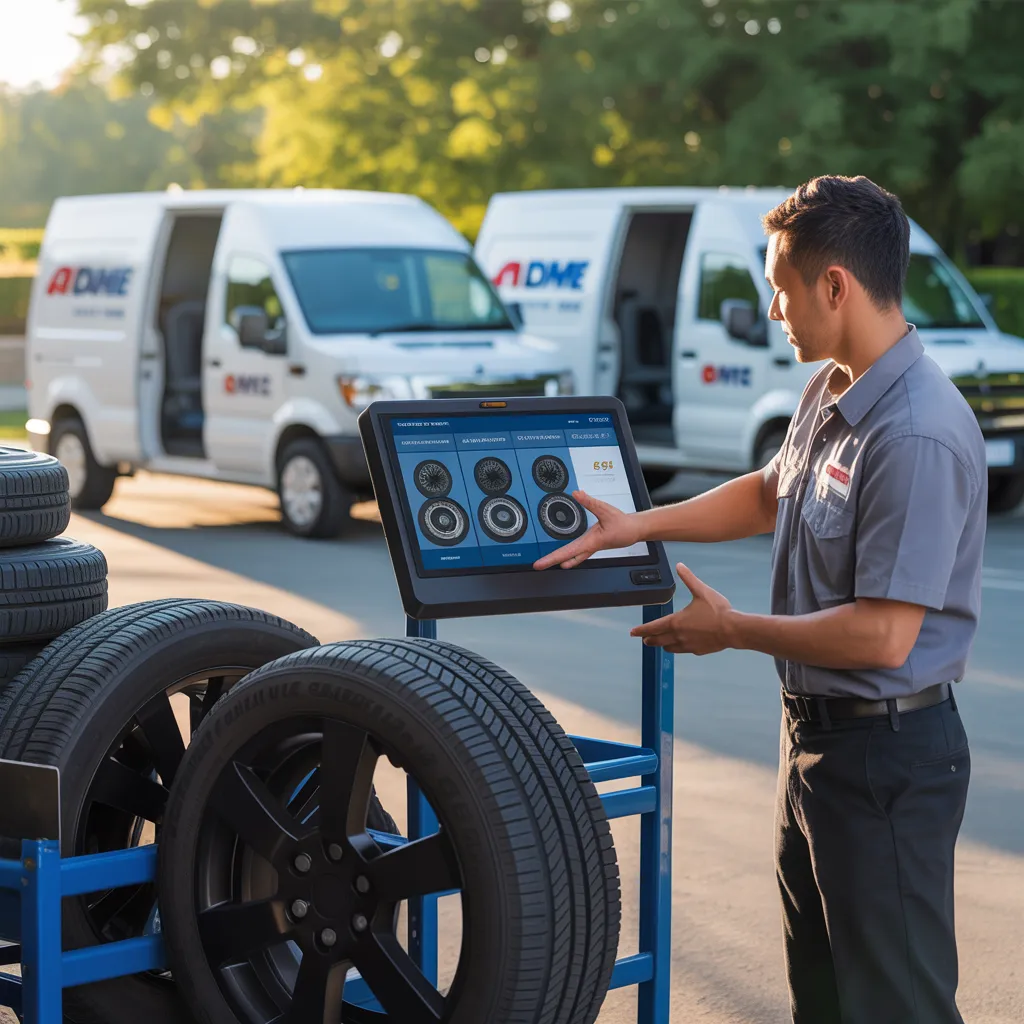
Typical Tire Troubles to Familiarize Yourself With
When motorists fail to check their tires, they may experience several frequent concerns that can undermine safety and performance. One common problem is underinflation, which can result in increased tire wear and lower fuel efficiency. Over time, this can lead to the tires to overheat, increasing the risk of a blowout. Another common problem is tread wear, which affects traction and handling, particularly in wet conditions. Uneven wear may indicate alignment or suspension issues, necessitating further inspection. Additionally, drivers may encounter punctures or sidewall damage from road hazards, resulting in slow leaks or complete tire failure. Consistent tire rotations, regular inspections, and appropriate inflation are essential for preventing these issues. Finally, climate effects can also add to tire degradation, making it essential for drivers to stay vigilant about their tire health. By identifying these common problems, drivers can enhance their safety on the road.
How to Determine When to Get Tire Repairs?
ongoing requirement for topping up also shows that maintenance may be essential.
Motorists should carefully watch handling and performance changes, such as vibrations or pulling to one side, which could denote tire imbalances or internal damage. Lastly, regularly assessing how deep the tread is is practical guide essential; tires with sections of wear weaken traction. By observing these signs, drivers can ensure timely repairs, improving both safety and vehicle lifespan. Quickly addressing these issues not only precludes potential accidents but also saves on more costly repairs later.
Insights Into What Happens During Tire Repair Work
The tire repair process typically requires several key steps to guarantee safety and productivity. First, a technician inspects the tire for visible damage and assesses its overall condition. This examination helps determine whether the tire can be repaired or needs replacement. Following the inspection, the technician may remove the tire from the wheel to uncover punctures or internal damage.
Once any problems are located, the specialist cleans the affected section and readies it for repair. This may involve applying a seal or plug, based on the nature and position of the damage. After the fix is finished, the tyre is remounted and properly inflated to the manufacturer's specifications.
Finally, a quality verification confirms that the correction meets safety protocols. Throughout the process, mechanics prioritize correspondence, informing the customer of findings and guidance. This structured approach guarantees a dependable service, allowing commuters to return to the road with certainty.
Do-It-Yourself Tire Service versus Professional Support
Once learning the tire repair process, many motorists may assess whether to handle fixes by themselves or get expert assistance. DIY tire fixes can be appealing, particularly for those with basic technical skills and tools. Simple punctures can often be fixed using repair kits sold at auto supply stores, cutting both effort and money. However, this method poses risks if appropriate techniques are not applied, conceivably causing further damage or safety hazards.
However, professional tire repair services present specialized knowledge and advanced tools. Qualified professionals can carefully assess tire damage, ensuring repairs prove effective and sound. They can also detect hidden concerns that a DIY approach might overlook. Finally, the choice between expert help and DIY repairs copyrights on the operator's assurance, experience, and severity of tire damage. Reaching an educated decision is vital for guaranteeing road safety.
Tips for Locating the Perfect Tire Repair Service
How can motorists ensure they choose the top-rated tire maintenance service? First, they should investigate nearby options, focusing on customer reviews and ratings. This information provides understanding into the service quality and dependability of various shops. Next, checking for credentials and affiliations with established automotive organizations can indicate professionalism and expertise.
Moreover, drivers should question the types of repairs offered, confirming the facility can handle their specific tire issues. Honest pricing is also critical; trusted shops furnish explicit estimates without unexpected fees.
Additionally, assessing the shop's warranty policies on services can offer assurance. Finally, convenience matters—proximity to your home or office, as well as operation times, can influence the determination. By considering these factors, drivers can with certainty choose a tire repair service that meets their expectations effectively.
Perks of Continuous Tire Maintenance
Regular tire upkeep provides many advantages that extend the lifespan and output of tires. By regularly inspecting tire air pressure, tread wear, and overall condition, vehicle owners can ensure ideal traction and handling. Proper inflation reduces wear, enhancing fuel efficiency and reducing costs at the pump. In addition, regular inspections can help detect problems such as irregular deterioration or damage, allowing for prompt fixes that prevent greater issues down the road.
Properly maintaining tires further raises safety by reducing the risk of punctures or accidents from insufficient tread. Moreover, a well-maintained set of tires helps provide a smoother ride, enhancing comfort for both the driver and passengers. When individuals devote time to regular tire care, they can increase the value of their investment, ensuring reliable performance and peace of mind during driving. Ultimately, regular tire maintenance is an essential aspect of responsible vehicle ownership.
Recommendations for Sidestepping Future Tire Problems
Deliberately servicing tires can greatly reduce the likelihood of later setbacks. Regularly testing tire pressure is vital; underinflation can trigger untimely wear and reduced fuel efficiency. It is wise to inspect tires for distinct impairment, such as cuts or bulges, which may point to structural complications. Rotating tires every 5,000 to 8,000 miles helps guarantee level wear, increasing their lifespan.
Furthermore, maintaining correct alignment and balancing is essential to prevent uneven tread wear. Drivers should also monitor tread depth, using the penny test as a straightforward method; if Lincoln's head is visible, it's time for a new tire. Finally, avoiding overloading the vehicle can minimize excessive strain on tires. By using these strategies, vehicle owners can extend tire longevity and encourage a safer driving experience.

Typical Questions Received
How long will a average tire repair last?
A common tire repair ordinarily requires around 30 minutes to an hour depending on the level of damage and the exact repair needed. Considerations like technician availability and shop workload can also impact the duration.
Are All Wheel Categories Fixable?
Certain tire types cannot be repaired. Generally speaking, punctures within the tread area in passenger tires might be fixable, though sidewall damage, substantial wear, or tires featuring several repairs typically necessitate replacement to guarantee safety.
How Much Does Tire Service Cost?
The price of tire repairs usually falls from $10 to $30, depending on the damage and location. Factors such as tire kind and service provider may affect the final cost, making it subject to change.
Does Your Insurance Cover Tire Fixes?
Protection for tire repairs depends on your insurance plan. Some plans provide emergency roadside support and repair costs, though certain plans may exclude such coverage. It's essential for individuals to review their particular coverage information to determine what coverage covers tire maintenance.
How Might I Increase the Lifespan of My Tire?
To prolong a tire's longevity, consistent care is necessary. This entails maintaining proper tire pressure, rotating tires frequently, ensuring proper alignment, avoiding overloading, and tracking tread wear for signs of wear or damage.